
Financial Services Data & Risk Analytics
Transform regulatory compliance, risk management, and customer analytics with our 4-stage methodology. Banks, insurance firms, and fintech companies reduce regulatory reporting time from weeks to hours while achieving real-time risk visibility through PowerBI, Azure, and automated data pipelines.
Challenges
Stage 1: Fragmented Financial Data Sources
Customer data, transactions, and risk metrics scattered across core banking systems, CRM, trading platforms, and compliance tools. Manual data extraction from 10+ legacy systems for each regulatory report. No automated collection of credit bureau data, market feeds, or third-party risk scores.
Stage 2: Regulatory Data Warehouse Gaps
No centralized repository for historical transaction data required for Basel III, GDPR, and MiFID II reporting. Manual SQL queries and Excel consolidation take 5-10 days per regulatory submission. Real-time risk data unavailable due to batch-only ETL processes running overnight.
Stage 3: Manual Risk Analysis & Modeling
Credit risk scorecards and fraud detection models updated quarterly instead of continuously. No automated anomaly detection for suspicious transactions - manual review of flagged cases takes weeks. Customer segmentation based on outdated demographic data, missing behavioral patterns.
Stage 4: Static Compliance & Risk Reports
Risk dashboards updated monthly in PDF format instead of live PowerBI. Senior management lacks real-time visibility into credit exposure, market risk, and operational metrics. Customer 360 views incomplete - missing product holdings, transaction patterns, and lifetime value calculations.
Solutions
Stage 1: Automated Financial Data Collection
Connect core banking APIs, payment processors, CRM systems, and external data sources (credit bureaus, market feeds) via Power Automate and Azure Logic Apps. Real-time transaction capture and automated nightly batch pulls from legacy systems. Unified data collection eliminates manual extracts. Tools: Power Automate, Azure Logic Apps, API Management.
Stage 2: Regulatory-Compliant Data Warehouse
Build Azure Synapse-based data warehouse with historical transaction storage meeting retention requirements (7+ years). Automated ETL pipelines using Databricks transform raw banking data into regulatory formats. Real-time streaming for fraud detection and risk monitoring. Tools: Azure Synapse Analytics, Databricks, Azure Data Factory, Azure Event Hubs.
Stage 3: AI-Powered Risk & Fraud Detection
Deploy Python machine learning models for credit scoring, fraud detection, and customer churn prediction. Automated anomaly detection flags suspicious patterns within minutes instead of days. Advanced customer segmentation using RFM analysis and behavioral clustering. Reduce false positives by 60-70%. Tools: Python, Databricks ML, Azure Machine Learning, Azure Cognitive Services.
Stage 4: Real-Time Risk & Regulatory Dashboards
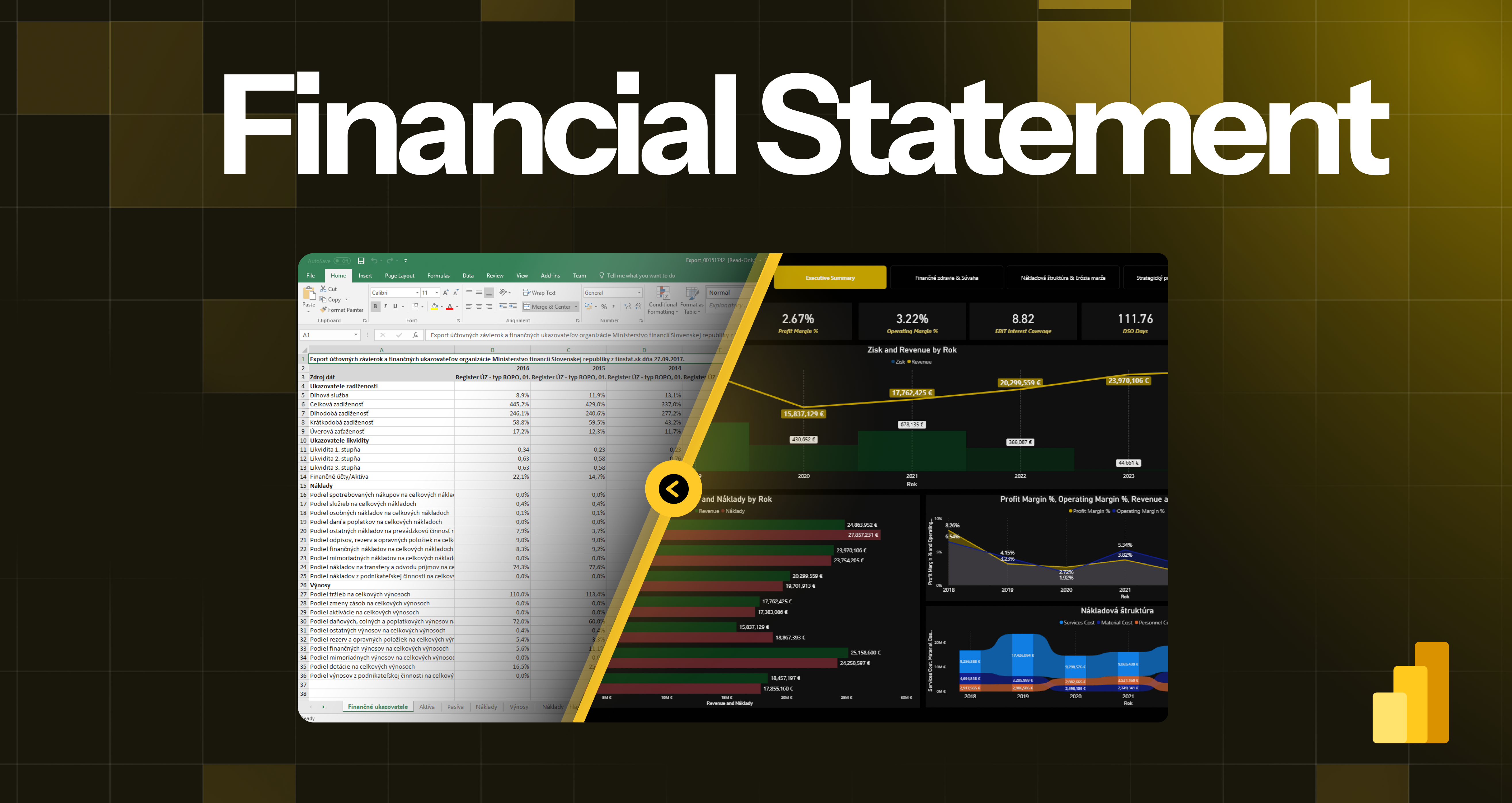
PowerBI dashboards providing live views of credit exposure by segment, market risk VAR calculations, and operational risk metrics. Automated regulatory reports (Basel III capital ratios, GDPR compliance tracking, AML transaction monitoring). Customer 360 analytics showing product cross-sell opportunities. Reporting time reduced from 10 days to 4 hours. Tools: PowerBI, Power BI Service, Azure Analysis Services.
Modernize Your Financial Data Infrastructure
Book a consultation to discuss your regulatory reporting challenges and see how we can help you achieve real-time risk visibility and compliance automation.
Schedule Demo